Georgia Southern University's latest economic monitor for the Savannah coastal area shows an overall decline in economic activity and a loss of jobs, but an uptick in wages and tourism.

"Given the volatility on the forecasting index and generally weaker regional economic conditions in the first half of the year, growth in the Savannah metro economy is expected to remain below its long-term trend through 2025," said Michael Toma, Ph.D., who is Georgia Southern's Fuller E. Callaway Professor of Economics.
The combined analysis of Georgia Southern's Q1 and Q2 Economic Monitors indicates the Savannah metro economy began 2025 with signs of slowing, as growth in the first quarter weakened and momentum was lost in the second. According to a release from the university, consumer spending, port activity, labor market signals and housing point to a regional economy moving below its long-term trend, due to the effects of a revolving U.S. international trade policy.
"The Savannah economy is showing signs of cooling, particularly in spending-related activity and logistics, even as the broader labor market remains a source of strength," Toma said.
Slowing growth in current activity
• The business index for Savannah rose 0.3% (1.1% annualized) in Q1, then fell 0.6% (–2.2% annualized) in Q2.
• Total employment dropped by 500 jobs in Q1, and another 500 in Q2, for a net loss of 1,000 jobs over the first half, ending Q2 at 201,100.
• In the service sector, modest gains in leisure and hospitality, education/health and local government early in the year, were offset by losses in professional/business services, transportation and utilities, and additional pullbacks in leisure and hospitality during Q2.
Consumer, tourism and port activity show mixed signals
• Retail sales fell 2.2% in Q1, then dipped 0.4% in Q2, but remained 2.1% above levels during the same period one year ago.
• Tourism metrics saw declines in Q1: hotel/motel taxes slipped 0.5% and airport boardings fell 5.7%. Q2 was mixed, as airport boardings bounced back, posting a 3% gain, along with a 5.6% gain in auto rentals and a 9% increase in taxes on beer, liquor and wine. Hotel/motel tax collections declined 4.5%.
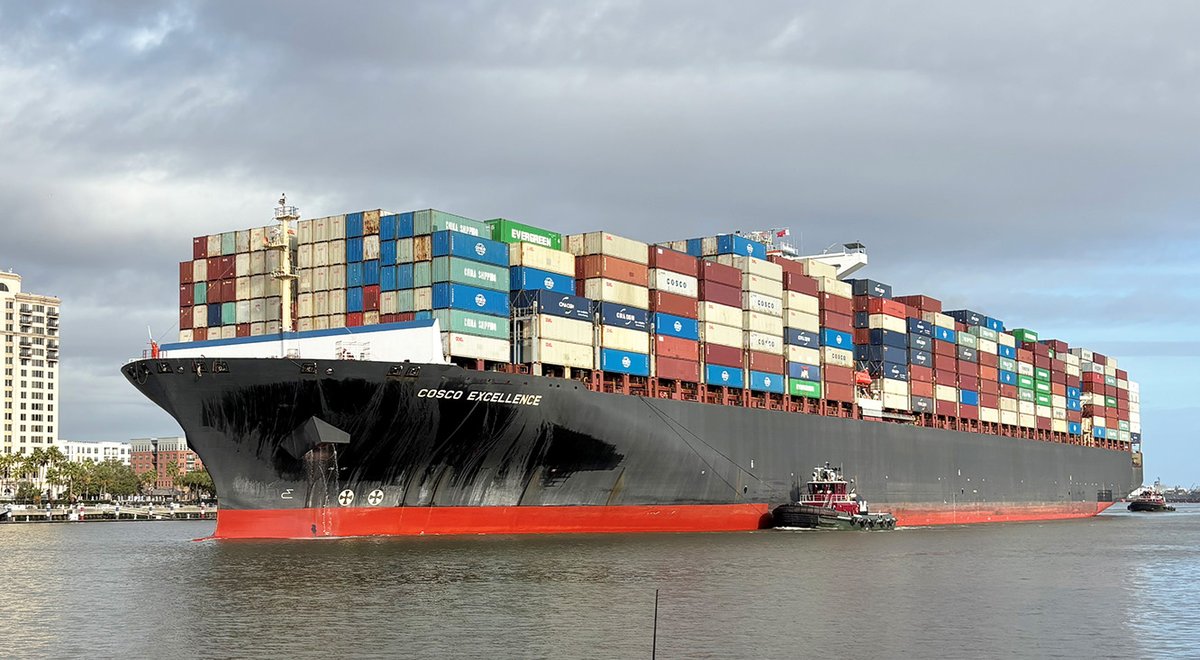
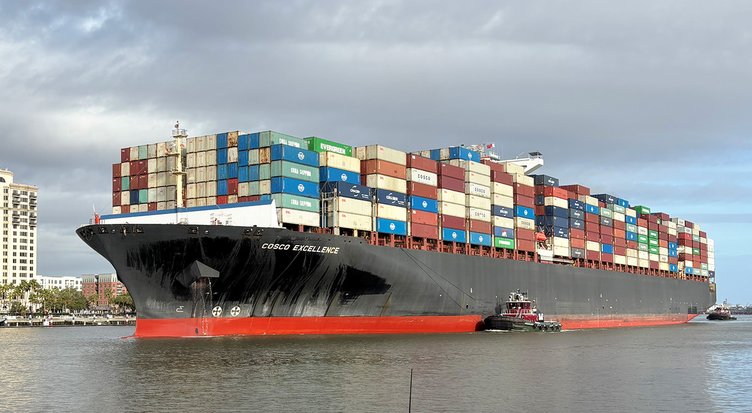
• Turbulence in international trade affected port activity (shipping container units), which slipped 1.2% in Q1, even as importers frontloaded operations to get ahead of increasing import tariffs expected in the second quarter. There was only a modest decline of 0.6% in Q2. Container volume remained 9% higher when compared to 2024 data. The logistics sector lost 800 jobs across the two quarters.
Housing and wages: Mixed signals
• Single‐family building permits increased in Q1 by 1% (over quarter) and posted a 20% increase over‐the-year gain, but permit values dropped 5.3%. In Q2, permit issuance fell 12.6%, and values declined by 3.5%. Building permit value showed 9% below year-ago figures.
• Private-sector wages, reported in inflation‐adjusted 2024 dollars, increased 3.5% in Q1 to $28.76 per hour, and then again by 2.9%, equaling $29.61 per hour in Q2.
Labor market: Still a source of strength, but softening
• The unemployment rate ticked up from 2.9% in Q4 2024 to 3.2% in Q1, then fell back to 2.9% in Q2.
• Initial unemployment insurance claims increased 3.7% in Q1, but decreased by 8.2% in Q2.
"Elevated uncertainty in the U.S. economy and slowly emerging tariff-related price increases will be headwinds for national and regional economic growth through the remainder of the year," Toma said.