By allowing ads to appear on this site, you support the local businesses who, in turn, support great journalism.
Consumer Qs: So you want to open a pet store
Also included: Horse auctions, growing pomegranates and cutting irises
wflowers
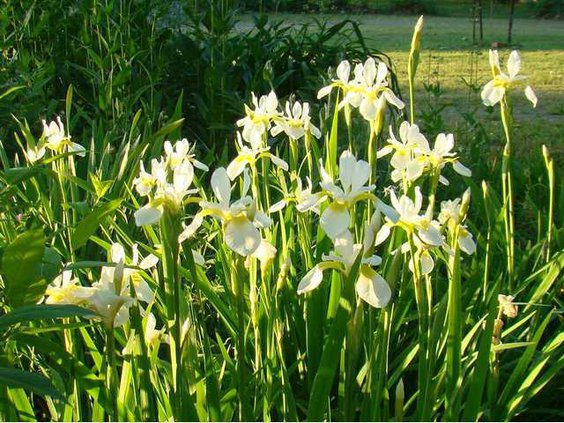
Siberian irises are a durable and versatile perennial for Southern gardens. - photo by ARTY SCHRONCE/special

    Q: I want to open a store that sells pet supplies. Do I need a license from the Georgia Department of Agriculture?
    A: No, but you will need a pet dealer license if you sell pets, including fish, dogs, cats, reptiles and other animals. You will need a bird dealer license if you sell birds customarily kept as pets. Contact our Companion Animal Section at (404) 656-4914 for more information.
   
    Q: When is Georgia’s next auction of rehabilitated horses?
    Answer: The Georgia Department of Agriculture will conduct a live auction on Saturday, June 13, at the Mansfield Impound Barn, located at 2834 Marben Farm Rd., Mansfield, Georgia 30055.
    The horses may be inspected at the facility beginning at 10 a.m. The sale will start at 11 a.m.    
    For more information, contact the Georgia Department of Agriculture’s Equine Health Office at (404) 656-3713. The office is open Monday through Friday, from 8 a.m. to 4:30 p.m.
    The exact number of horses to be auctioned will not be known until closer to the sale date, but at this time we estimate that 11 to 15 horses may be available for new and loving homes.

    Q: Why does my pomegranate drop so many blooms without setting fruit?
    A: Here are a few possibilities why your pomegranate is dropping blossoms:
    Pomegranates have male flowers, which do not produce fruit, and bisexual flowers, which contain both male and female parts and do develop into fruit. The male flowers always drop off after blooming.
    It may be too young. Pomegranates grown from seed often drop blossoms and produce no or scant fruit until the plants are more mature — say, three to five years old.
    Overwatering and too much fertilizer.
    Lack of pollination. Protect the honeybees, bumblebees and other bees that pollinate the flowers by not overusing or misusing pesticides and by supporting beekeepers in your area. Some studies indicate that having another variety of pomegranate nearby to provide a different pollen source will improve fruit set.
    It may not be the right variety for fruit. Double-flowered varieties are grown more for the ornamental aspects of the flowers than for fruit production. They will have more flowers to drop without setting fruit than single-flowered varieties.

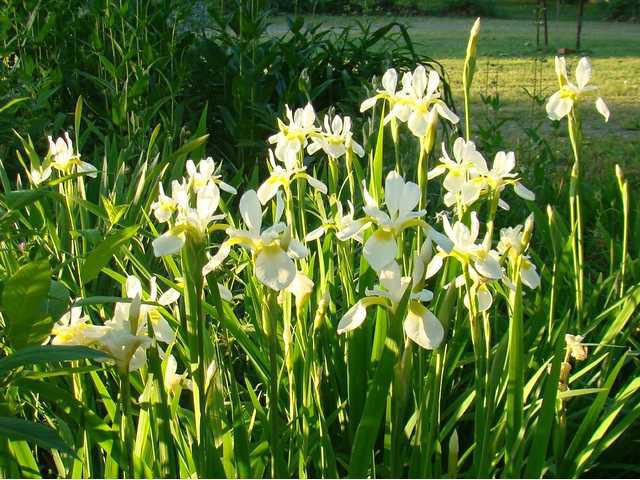
    Q: Do Siberian irises make good cut flowers?
    A: Yes. The flowers hold up fairly well, and their size makes them useful in large and medium-sized floral arrangements. Their stems are strong, straight and not too thick. Bearded irises, though extraordinarily beautiful, can bruise or crush easily and, being so large, can be difficult to incorporate with other flowers in a vase.    
    The most popular and durable of the irises grown as a cut flower is the Dutch iris. It is grown commercially as such and is readily available at florists. However, Dutch irises are not a reliable and long-lived perennial in Georgia the way Siberian irises and many other irises are.  


    If you have questions about services or products regulated by the Georgia Department of Agriculture, write Arty Schronce (arty.schronce@agr.georgia.gov) or visit the department’s website at www.agr.georgia.gov.

Sign up for the Herald's free e-newsletter