
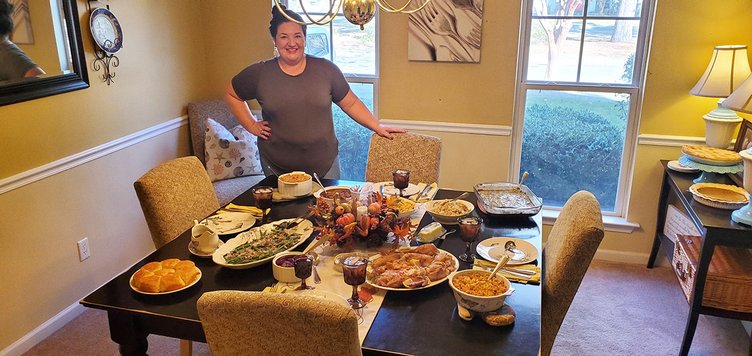
When I consider the very first Thanksgiving feast, it fascinates me to imagine the spread.
It took place back in 1621 in Plymouth, Massachusetts bringing two unlikely groups around the table—the English colonists (pilgrims) and the Wampanoag people. While you may recognize some of the same ingredients, such as pumpkin and corn, carried over to our modern tables today, most noteworthy is how those ingredients have evolved, just as our resources and creativity in the kitchen. There are also some key differences from the inaugural Thanksgiving dinner that give us a window into the world at that time.
At the centerpiece of the table wouldn’t have been a big, beautiful golden browned turkey. Instead, the pilgrims and Native Americans enjoyed what was in season and accessible. Imagine freshly hunted venison, wild caught fish, such as bass and cod, and assorted wildfowl, most likely duck or geese.
At the first feast, there would have been no shortage of shellfish, including lobster and mussels. Now, I don’t know of too many traditional Thanksgiving feasts with seafood, but that would have been a-okay with me.
As I researched this topic, it occurred to me that the pilgrims and Indians didn’t live all that differently than those of us in Georgia. I grew up eating deer, and enjoying freshly caught bass from my dad’s frequent fishing trips to the Savannah River. They lived off the land. Contrary to popular belief, farm-to-table is not a new concept.
The first feast took place earlier in the year than we celebrate today, closer to harvest time. This would have allowed for fresher produce, such as flint, an indigenous corn, which the Native Americans harvested and incorporated into cornbread and porridge. Cornbread still makes an appearance as a main ingredient in dressing today.
There would have been no big bowls of pillowy mashed potatoes, since white potatoes had not yet made their way from South America.
There would have been cranberries for tartness, although not cranberry sauce, for a few reasons: refined sugar would have been scarce and expensive, and it would be another 50 years before the idea of combining them with sugar became a thing.
Without sugar or mills to produce flour, sadly the pilgrims and Indians would not have had pie or gravy. But, there would have been pumpkins and squash, and plenty of native crops, such as peas and beans, as the Native Americans taught the settlers to plant these. The colonists may have also brought vegetables from England, such as carrots and cabbage to share.
In the days, weeks and months after we all celebrated Thanksgiving last week, remember the first feast, and again give thanks. May we cultivate gratitude in our hearts, slow down to count our many blessings, and reflect on how far we’ve come and how far we have to go.
I hope you all had a very Happy Thanksgiving.
Rebekah Faulk Lingenfelser is a private chef, speaker, culinary TV personality, and author. Featured in Forbes, on ABC and Food Network, she is a Georgia Southern University alumna and an honors graduate of the Savannah Culinary Institute. Visit RebekahLingenfelser.com, like Some Kinda Good on Facebook or follow @SKGFoodBlog on Instagram and YouTube.