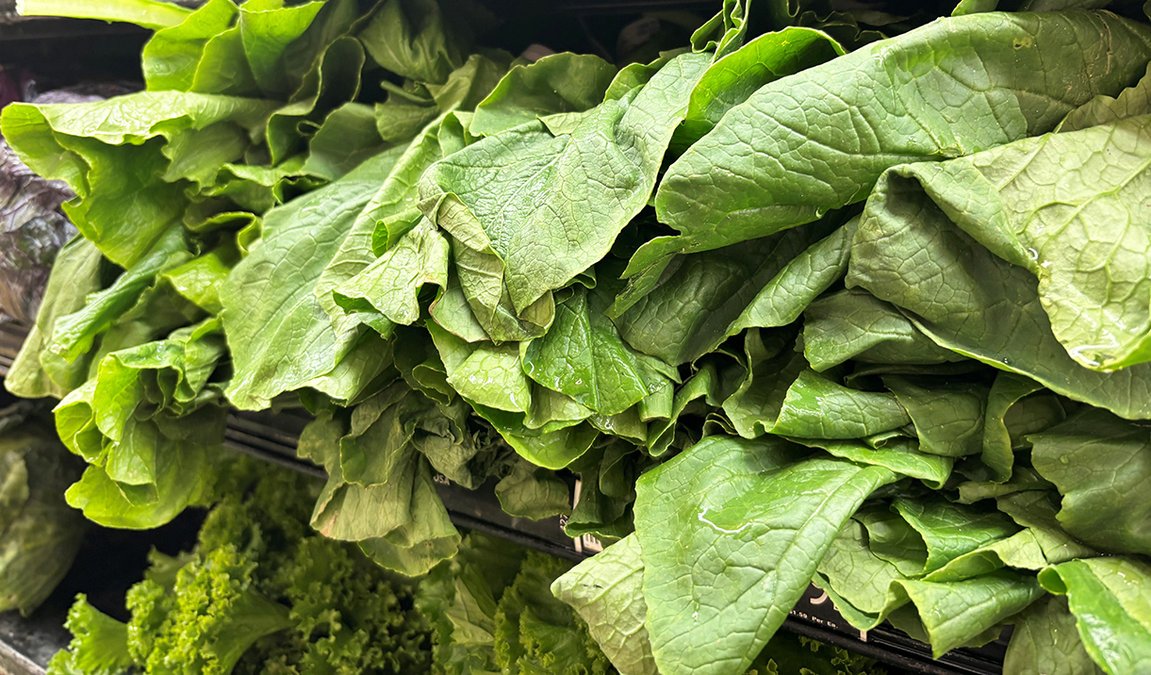
ATLANTA — The Georgia Department of Public Health is urging Georgians to take extra precautions when purchasing, preparing and consuming fresh fruits and vegetables to help prevent cyclosporiasis, a gastrointestinal disease.
According to a release Tuesday, the state health agency stated that is not aware of any Georgia-specific outbreaks, clusters or potential links to the outbreak that has sickened about 5,000 people across more than 30 states. Investigations into common sources nationally is ongoing.
The true number of Cyclospora infections in the U.S. is likely higher than the numbers currently being reported. That's because many people who get sick with diarrhea do not go to a doctor or get tested for cyclospora, per the CDC.
Sick people range in age from 5 to 88 years, with a median age of 44, and 59% were female. The median illness onset date was June 18, 2026 (range: May 1–July 5). Of 843 people with information available, 86 were hospitalized.
No deaths have been reported.
Cyclosporiasis is caused by a microscopic parasite — Cyclospora. People can become infected by consuming food or water that contains the parasite. Treated water in the U.S. does not contain Cyclospora. Although domestically acquired cases occur in Georgia every year, typically most cyclosporiasis cases in the state are associated with international travel.
The most common symptom is watery diarrhea and explosive bowel movements. Bloating, cramping or loss of appetite also may occur. Most people with cyclosporiasis recover on their own. However, hospitalizations can occur when patients are dehydrated from diarrhea caused by the infection.
The illness may last from a few days to more than a month. Symptoms may seem to go away and then return one or more times. In extended cases, people are encouraged to check with their healthcare provider.
Cyclosporiasis can be prevented by following basic health hygiene practices when handling fresh fruits and vegetables. These are the measures the Georgia Department of Public Health promotes every day:
▲ Wash hands with soap and water before and after handling or preparing raw fruits and vegetables.
▲ Wash all fruits and vegetables thoroughly under running water before eating, cutting, or cooking.
▲ It is important to thoroughly wash produce even if it is labeled as pre-washed
▲ Scrub firm fruits and vegetables, such as melons and cucumbers, with a clean produce brush.
▲ Cut away any damaged or bruised areas on fruits and vegetables before preparing and eating.
▲ Refrigerate cut, peeled or cooked fruits and vegetables as soon as possible (within two hours).
For additional information about cyclosporiasis, visit the CDC website at cdc.gov/cyclosporiasis/index.html.