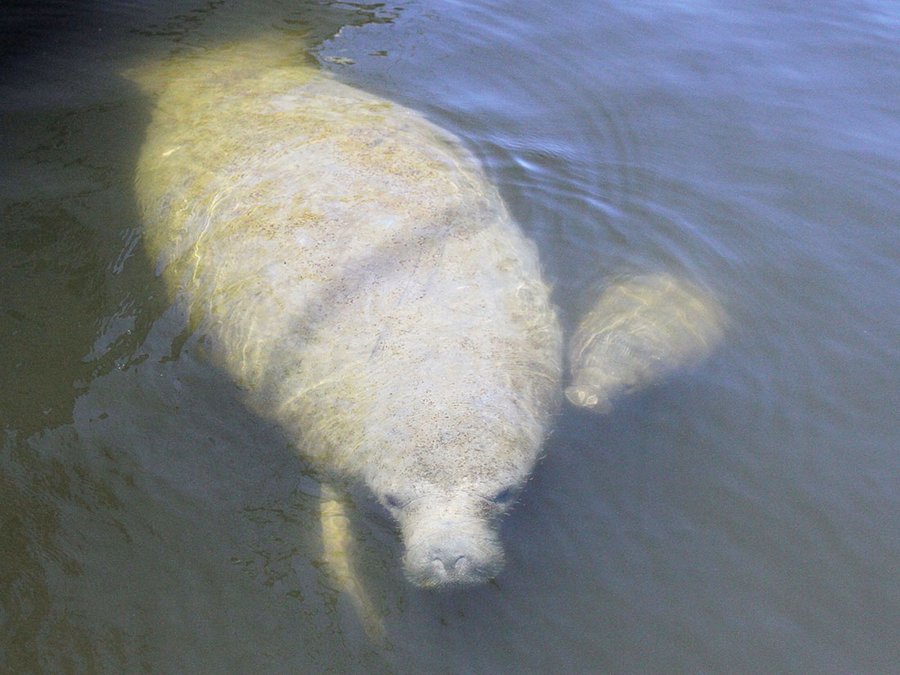
BRUNSWICK – With sea turtle and manatee sightings on the rise on Georgia’s coast, boaters should be on the lookout for these big and rare animals.
According to the Georgia Department of Natural Resources, boat strikes are a leading cause of sea turtle strandings and manatee injuries and deaths. Manatees and all sea turtle species found in Georgia are protected by federal and state laws.
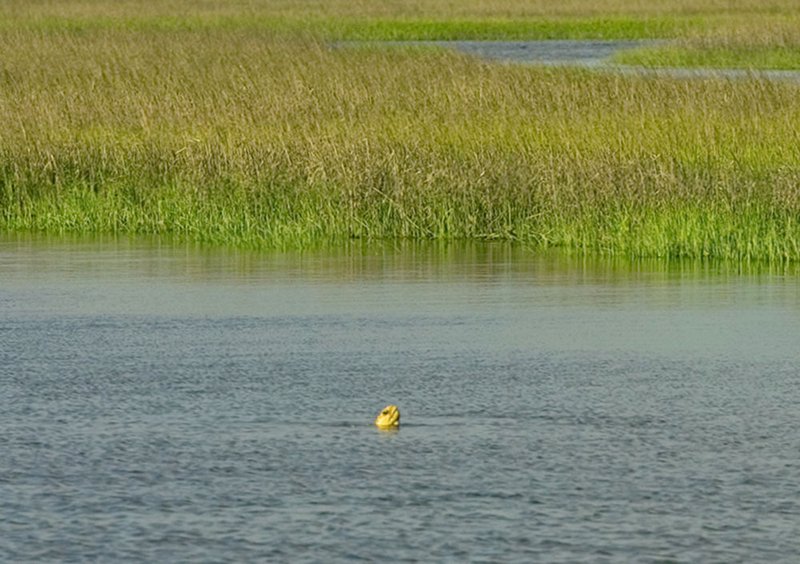
Tips on what to watch for in the coast’s murky waters differ. A “footprint” of swirls may mark a 9-foot-long manatee underwater. A 300-pound loggerhead sea turtle may show only its head when it surfaces. Sea turtles spend more time on the surface in spring, putting them at greater risk of being hit by a boat.
DNR advises boaters to be vigilant, be ready to slow down or steer clear, and if they do run into a sea turtle or manatee, stand-by and immediately contact the DNR at (800) 272-8363. The quick alert of a collision provides biologists the best chance to help these animals and gather data useful in conserving them. Boaters will not be charged if operating their boat responsibly and the collision was an accident.
State Sea Turtle Program Coordinator Mark Dodd, a senior wildlife biologist with DNR, emphasized that sea turtles are not limited to the ocean side of barrier islands.
“They occur everywhere, not just in the ocean,” Dodd said. “They’re in the sounds, the estuaries, the tidal creeks.”
While nesting data indicates that federally threatened loggerheads are holding their own, boat strikes that kill or injure reproductive females are a significant threat. Of the 87 dead or injured sea turtles found on Georgia beaches last year, about a third of those that could be assessed had suffered injuries consistent with being hit by a boat.
Manatees
Manatees share a similar problem. The big, slow-moving mammals swim just below the surface, often putting them in harm’s way for oncoming boats. Watercraft collisions caused more than a fourth of the manatee mortalities documented in the state since 2005, according to DNR.
West Indian manatees, including the Florida subspecies found in Georgia, are protected under the Endangered Species Act, where they’re listed as threatened, and the Marine Mammal Protection Act.
Manatees migrate from Florida to Georgia each spring. Some move back and forth between the states through summer, until colder water temperatures in fall draw them south to Florida for the winter. But from as early as March and into November, manatees occur in tidal waters throughout coastal Georgia, said senior wildlife biologist Jessica Thompson of DNR’s Wildlife Conservation Section.
“Manatees take advantage of Georgia’s extensive marshlands,” Thompson said. “The brackish marshlands, tidal and freshwater ecosystems along our coast are full of food – emergent vegetation and smooth cordgrass. Salt marsh cordgrass like Spartina alterniflora and aquatic vegetation are primarily along the marsh edge. And algae, another food source, grows on or near docks.
“These shallow-water areas put manatees at risk of being struck by boats when the animals are foraging, resting and moving between food sources.”
Thompson said there are three primary ways boaters can lessen the risk they pose to manatees:
• Be alert and have someone scan for wildlife in front of the boat while traveling.
• Stay in the deeper channels in the tidal rivers and creeks.
• Heed speed and no-wake zones, particularly around docks.
Manatees sometimes gather in groups to socialize. Large mating “herds” can top 20 individuals. Socializing is normal manatee behavior. Whether at a dock, paddling, swimming or boating, maintain your distance from any manatees you spot and scan the area, there may be more just below the surface.
Boaters can help protect manatees by:
• Looking for manatees before cranking your boat’s motor.
• Using caution when navigating in shallow water and along the marsh shoreline . Manatees may be feeding along the shoreline and cannot dive away from boats in these areas.
• Heeding slow speed, no wake and manatee warning signs, especially around docks.
• Wearing polarized sunglasses to reduce glare and make it easier to spot manatees below the surface.
• Watching for trails of large swirls in the water called footprints that may be caused by manatees diving away from the boat.
Also, never feed manatees or give them fresh water. This could teach the animals to approach docks, putting them at greater risk of a boat strike. And never pursue, harass or play with manatees. It can be harmful to manatees and it’s illegal.
Boaters and others are also encouraged to report any dead manatees and sea turtles they see. If a turtle is tagged, include the tag color and number in the report, if possible.
DNR monitors sea turtle and manatee mortality through the Marine Turtle and Marine Mammal Stranding and Salvage Networks. The information gleaned, including from necropsies to evaluate cause of death, provides the primary index for threats to these animals in Georgia’s coastal waters.