Statesboro City Council on Tuesday morning approved the first reading of an amendment to allow “local distilleries” to be licensed under the city Alcoholic Beverages Ordinance.
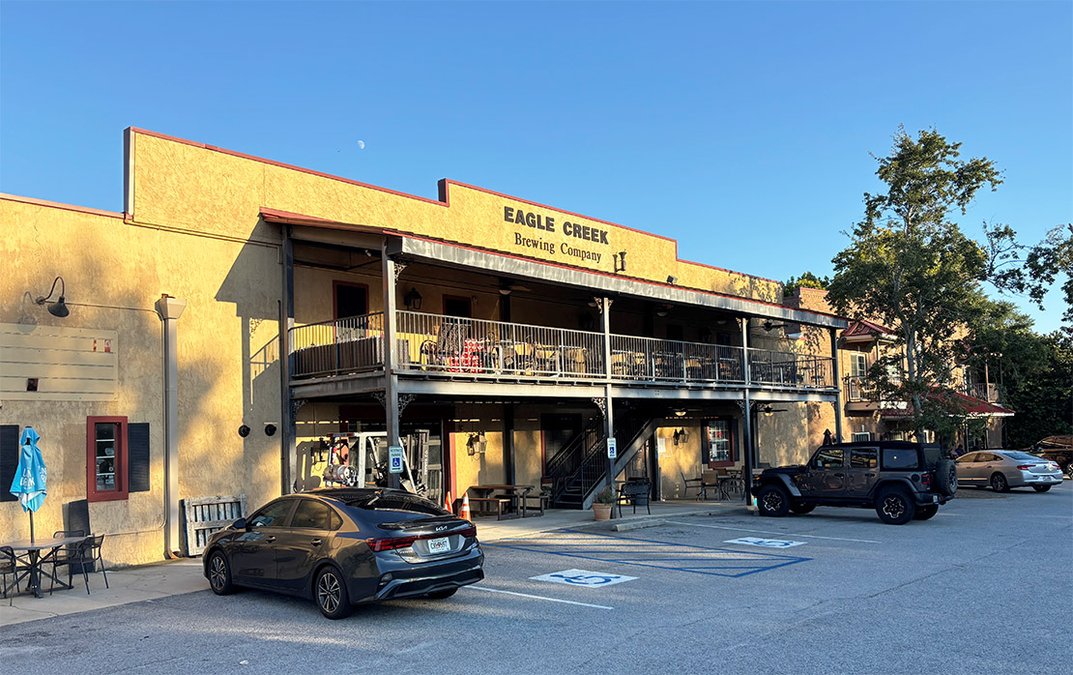
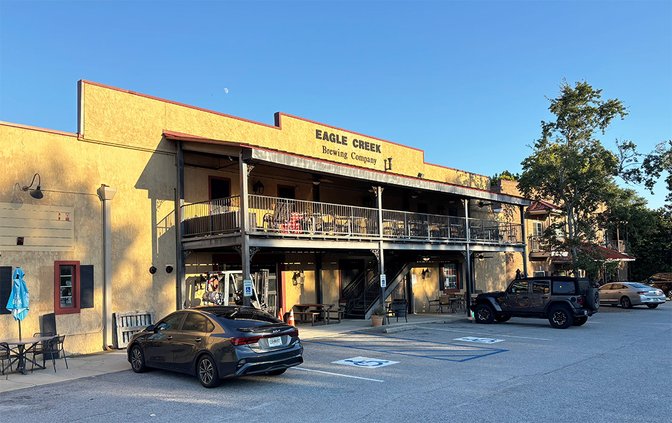
Statesboro is home to a long-established brewpub, Eagle Creek Brewing Company, which was originally considered a micro-brewery exclusively but expanded its pouring for on-premises consumption after changes in state law. Chapter 6, “Alcoholic Beverages,” of the Statesboro Code of Ordinances makes “pubs” one of the categories of city licenses and also defines a “local brewery” with a specific reference to state law.
But a distillery, local or otherwise, is a different type of beverage manufacturer, including at least one still to produce distilled spirits such as vodka, whiskey or gin. A circa 2017 state law, Official Code of Georgia, Annotated 3-4-24.2, allows for what City Attorney Cain Smith and his draft of the proposed new ordinance section call “local distilleries.” The state law itself, as Smith acknowledged in a brief interview, doesn’t use that phrase but instead refers to “a limited exception” for “a licensed distiller” to sell drinks directly to on-premises consumers instead of through a wholesale distributor.
This is sometimes referred to as a “cocktail room” law, referring to a designated serving room within a distillery.
Investors’ plan big
Smith had first addressed this idea, briefly, with the mayor and council during their Aug. 19 work session, using the brewery ordinance section as a model.
A summary memo stated: “An investment group desires to construct a distillery, brewery and restaurant facility in downtown Statesboro. Current local law does not allow for such a set-up, but state law does.”
At the direction of council, Smith then prepared the draft “local distillery” amendment for Tuesday’s 9 a.m. regular meeting
There a first-reading hearing was held, with no citizens speaking in opposition to the change. One person, Allen Muldrew, executive director of the Downtown Statesboro Development Authority, spoke in favor.
“It’s part of a bigger project,” Muldrew said. “What these guys are asking for is to put a business in the downtown environment. I really want to thank the city for taking the lead with these streetscapes. It shows the local community investors and business owners that Statesboro is not afraid to take the lead. …
“This project is taking a building that’s been underutilized, probably for 20 years,” he continued. “It’s a whole corner; it’s a big deal for us in the downtown environment as part of the quality of life and things to do.”
Muldrew referred to the would-be distillery-brewery restaurant investors as “a couple of guys who live in our community, they’re from here, who see where Statesboro’s going downtown” and added that it’s not their first project.
Approached after the meeting, he declined to name the investors, noting that they may not have closed on the property purchase. Smith gave a similar response. But city sources have identified a specific corner property in the west-central area of downtown.
Allows combination
Proposed Ordinance 2025-09 would actually allow a single business to function as both a brewery and a distillery. It defines “local distillery” as “an establishment in which malt beverages and distilled spirits are manufactured, subject to the barrel production and sales limitations prescribed in O.C.G.A. § 3-4-24.2 and 3-5-36.”
The first of those Georgia laws allows “a licensed distiller to sell up to 750 barrels of distilled spirits per calendar year to individuals on such distiller's licensed premises for personal use and not for resale.” The second law section refers to breweries.
One provision of the proposed ordinance not reflecting state law, but specific to Statesboro, would require that a distillery that sells drinks to consumers “derive at least 40 percent of its total annual gross food and beverages sales from the sale of prepared meals.” Package sales of alcoholic beverages for off-premises consumption would be exempted from the formula.
This provision is meant to reflect Statesboro’s 40% food requirement for establishments licensed as pubs, Smith said.
“Local distilleries shall be considered as Pubs for the purposes of section 6-9 and license fee determination,” the proposed ordinance section states. “Local distilleries shall not be required to obtain a city issued package license for off premises retail sales of distilled spirits produced within the licensed establishment.”
The referenced Section 6-9, already part of the city law, generally prohibits youth under age 18 from entering or remaining at a pub after 10 p.m. without a parent or guardian and prohibits patrons under 21 altogether after the kitchen stops serving.
With Councilmembers John Riggs and Ginny Hendley away, the vote approving the first reading of the ordinance change was unanimous at 3-0, as were all other votes Tuesday. Councilmembers Shari Barr, Paulette Chavers and Tangie Johnson participated in votes, with Mayor Jonathan McCollar presiding.
Not law yet
First-reading approval does not enact the amendment. Instead, it has been sent forward for a second reading – with no additional public hearing required – and possible enactment during the council’s 5:30 p.m. meeting on Sept. 16.