ATLANTA — Tax increases on Georgia homeowners could be limited to the inflation rate — including taxes for education after most school systems decided against capping property tax hikes last year.
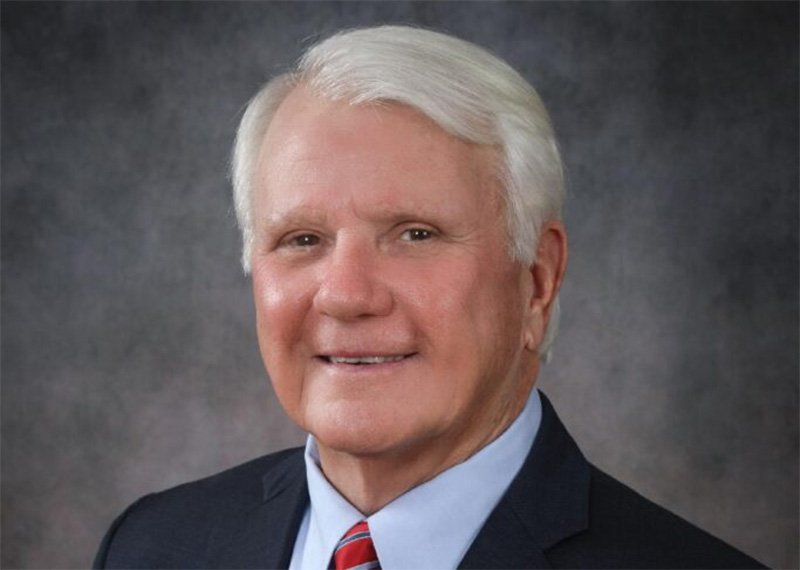
At the same time, House Speaker Jon Burns is proposing an end to homestead property taxes in Georgia.
Burns is eyeing an end to property taxes on homes where people reside, leaving rental homes and other residential properties free for local entities to tax.
"For most Georgians, for the vast majority of Georgians, our homes are our single largest investments in our lives," Burns said. "For that investment of a lifetime, I don't think any of us in Georgia should ever face the possibility of losing that home because we can't afford to pay rent to the government."
The state Senate's Republican majority introduced a bill this week that would require all school systems to limit property tax increases that occur because of rising home values.
About 71% of Georgia's 180 school systems voted last year to reject the cap, as allowed by state law. This year's bill would change that law and prevent school systems from opting out of the cap.
If approved, the legislation would save homeowners money — and reduce funding for public education in some areas. School systems would lose the ability to tax property on values that rose higher than the inflation rate in the previous year.
"The majority of people in Georgia aren't seeing the relief that was promised because they're continuing to see double-digit tax increases," said state Sen. Chuck Hufstetler, R-Rome, the lead sponsor of Senate Bill 382. "People have seen huge property tax increases, and we need to limit it to the rate of inflation. We all need to live within our means."
While no one likes paying higher taxes, schools would pay the price, said John Zauner, executive director of the Georgia School Superintendents Association.
Education expenses would continue to rise with inflation, but school systems would receive less money from property taxes.
"I'm sympathetic. I pay taxes and they're always going up," Zauner said. "But that's the only choice local districts have. They don't have any other options."
Under a state law and constitutional amendment approved by voters in 2024, home property assessments are capped at the inflation rate for the previous year. By holding down increases in property values, property tax hikes are also limited because they're based on the assessed value of a home and the property tax rate.
Besides school systems, the proposed bill would also affect city and county governments that also opted out of the tax cap. About 29% of city and county governments voted against capping their property tax values last year, according to records from the secretary of state's office.
Lt. Gov. Burt Jones said the property tax bill is a priority for this year's legislative session.
"As part of our ongoing efforts to keep costs low and put more money back in Georgians' pockets, this legislation will limit increases in home values for property taxes year to year and require more accountability and transparency in our local taxation procedures," Jones said.
The property tax limit is one of several tax proposals being debated at the Capitol.
Senate Republicans also want to gradually eliminate income taxes, while House Speaker Jon Burns, R-Newington, suggested he favors ending homestead property taxes.
Gov. Brian Kemp said in his State of the State Address on Thursday he wants to give tax rebates averaging $250 per taxpayer, as well as reducing the state income tax rate by one-fifth of a percentage point, to 4.99%.