The Bulloch County government’s proposed fiscal year 2024 budget heads to a 5:30 p.m. Tuesday, June 20, public hearing with a projected increase in general fund revenue of $10.9 million, or 22%, including a suggested 1.75-mill increase in the property tax millage rate.
Tuesday’s hearing, like other Board of Commissioners events this month, is being held in the Bulloch County Center for Agriculture, 151 Langston Chapel Road, while renovations are being completed to the North Main Annex. The commissioners are also slated to hold a called meeting in the Ag Center at 8:30 a.m. June 27 to adopt the budget before it takes effect July 1.
The proposed general fund budget projects $59.9 million in revenue, an increase of $10.9 million from the slightly more than $49 million originally budgeted for the current fiscal year. Meanwhile, expenditures are also projected to rise by about $10 million, to $60.9 million in fiscal 2024. The $1 million difference between projected revenues and spending reflects the assignment of $1 million of previously accumulated fund balance toward acquiring land for future county facilities, such as EMS and fire stations or a recreation building.
The overall budget includes an 8% across-the-board raise for most county employees, estimated to cost a little over $1.9 million. The exceptions are part-time seasonal employees, who got an increase last year. Within the general fund –the part of the budget supplied in part from property taxes – the county department heads and staff have budgeted to hire 31 full-time and three part-time employees to newly created positions at a cost of $2 million.
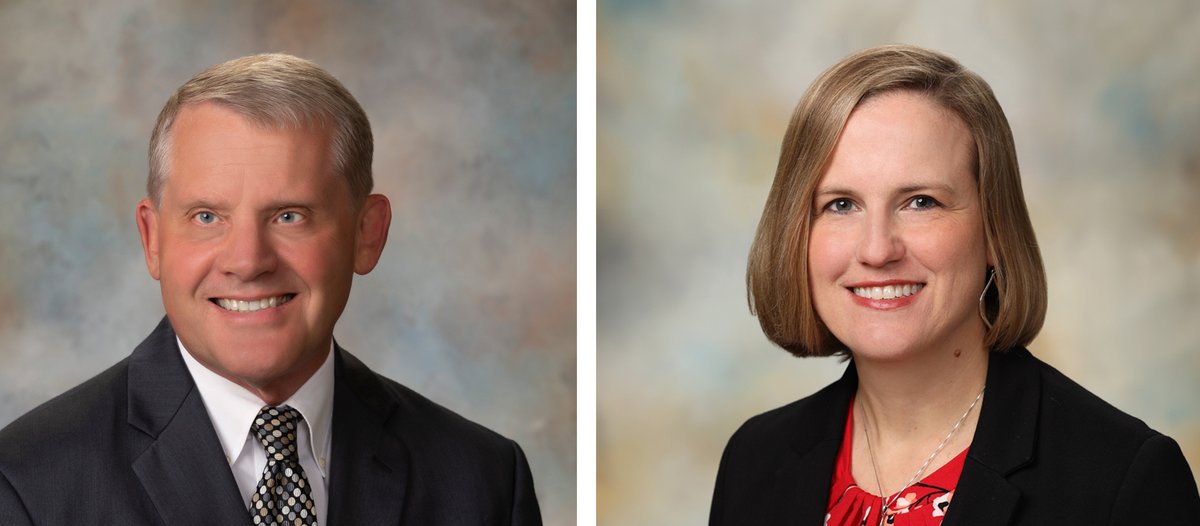
“Right now we feel like we are trying to catch up before we can grow,” the county’s Chief Financial Officer Kristie King said in an interview this week. “The two departments that are getting the most new employees are public safety – the sheriff and EMS.”
Public safety hires
For the Bulloch County Sheriff’s Office and Jail, the budget adds two new court services officers, one patrol deputy, six jailers and two school resource officers. The school resource officers will serve at Brooklet Elementary School and Bulloch Academy, with the Bulloch County Board of Education and the private academy, respectively, expected to supply a majority of the cost during the school year.
For the Emergency Medical Service, the budget funds six new EMTs or paramedics to staff a Portal substation, and another six EMTs or paramedics to staff a Register substation, beginning Jan. 1, 2024, plus one added training officer. The Portal and Register EMS crews will operate from spaces in the Bulloch County Fire Department stations in those communities.
“EMS will be adding crews in new locations, in Portal and Register, over the next year, to try to decrease response times in those areas. That’s based on a study that we had done several years ago that we should be doing that,” King said.
“So I know people are going to be very unhappy that they’re having to pay more to address the growth, but it’s really not that,” she said. “It’s trying to catch up on things that we probably should have been doing and haven’t been doing.”
Contracted by the Bulloch commissioners, the Center for Public Safety Management study recommending the addition of EMS substations in places such as Portal and Register was completed in 2019-2020. Renovations to ready Portal’s fire station for an EMS crew are nearly complete, and work on Register’s fire station is reportedly beginning.
Outside of the general fund, the separate E-911 budget includes four added full-time positions – two communications officers and two shift supervisors – at a projected cost of $287,586 in salaries and benefits. The airport fund gets two new part-time administrative employees to keep the front desk staffed at all times, at a cost of $46,790. The rural fire find will supply one full-time position, a fire inspector, for $80,287 in salary and benefits, plus $77,000 for a vehicle, equipment and supplies.
The 1.75-mill hike
The proposed 1.75-mill increase in the property tax rate is less than county staff members first thought would be needed to fund all of the things in this budget, King said. Officials had hinted at the possibility of an increase as high as 3 mills.
But property valuations, adjusted each year by the county Board of Assessors staff based on sales of comparable real estate, came in about 13% higher on existing property than last year, Chief Tax Appraiser Ronny Newton said in a recent interview. Real growth from construction, renovations and land development added about 5%, making the total increase in the value of the digest about 18%, he estimated.
That was before any adjustments made during the assessment appeals process, now getting underway.
But King and the county budget team based their tax revenue projection on a conservative estimate of 15% growth in the digest, and the proposed millage rate increase would be on top of that.
A 1.75-mill increase on the county government’s current 11.35-mill general property tax levy would be 15.4% rate increase. But atop the 13% property value inflation, this would compound to a roughly 30% increase in tax. Offsetting this, only for homeowners for the houses they live in and perhaps for this year only, a special state-funded $18,000 (in assessed value) additional homestead exemption promises a reduction of about $388 per household in most of Bulloch County’s unincorporated area, and more where city taxes apply.
At the request of the city of Statesboro, the county budget also proposes a 0.75-mill increase in the fire service millage the county charges in the zone outside the city limits served by the Statesboro Fire Department. To fund upgrades to the Bulloch County Fire Department’s service outside that zone, the county is proposing a 1.03-mill increase for the rural fire district.
That will make the fire service millage the same, exactly 3 mills, in both fire districts, explained County Manager Tom Couch.
On the phone this week, Couch noted that he had expressed concerns when the Board of Commissioners sought and approved a 0.25-mill rollback of the county’s rate last year, instead of an increase. That rollback only partially moderated the tax rise resulting from near-record inflation in assessed values.
Cost ‘drivers’
Couch echoed King’s comment about Bulloch needing to “catch up” before it can deal with growth expected from a boom in new industries surrounding Hyundai Motor Group’s construction of its electric vehicle Meta Plant America in neighboring Bryan County.
“We’ve really got five big, main cost drivers, and the first is the level of service, particularly personnel,” Couch said. “We’ve had a longstanding problem where we’ve never really funded our levels of service in alignment with our existing growth rates before Hyundai, particularly for personnel, and particularly for public safety.”
The second cost driver, he said, is inflation. The 8% raise reflects the amount that the county government’s salaries have fallen behind the market rate, according to Couch.
A third cost driver is a need for public facilities, with many of the county’s government buildings either aging or out of space, and the fourth factor is technology, necessary but expensive to update, he said.
“And then I think finally and obviously, the Hyundai impact, we have to be at a certain level of readiness for it,” Couch said.
Before the county can deal with the growth, it must first establish a “minimum level of service” for all, he said. Couch said he hopes the growth will then provide additional revenue so that further millage increases will not be necessary for years to come and that rollbacks may again be possible.
Tuesday’s hearing will be the budget hearing, not a tax increase hearing. If the commissioners approve a budget requiring an increase in taxes, they will later have to hold a series of three tax increase hearings before setting the millage rate.
But that would occur after the digest value firms up following the assessment appeals process, and the actual millage rate would be determined then.