A new definition and regulations of “Go Cart, ATV and Motorbike Track and Trails” will go back before the Bulloch County Board of Commissioners on Tuesday evening in a raft of proposed zoning rules also addressing future breweries, “conservation subdivisions,” home occupations and even whether a church lot can include a minister’s home.
“I would say in general we just try to update our Zoning Ordinance every so often, no specified routine of when we do,” said county Planning and Development Director James Pope in a phone interview. “But when we have enough amendments that we feel like are beneficial to the county, then we go forward and ask these to be in the Zoning Ordinance.”
Savage Trails issue
The rules regarding all-terrain vehicle and motorbike tracks and trails drew the most attention when the total package, called a zoning text amendment, was floated to the commissioners on Oct. 7. Pope and other staff members had developed the draft of rules, and the appointed Planning and Zoning Commission reviewed the proposal Sept. 16 and unanimously recommended approval.
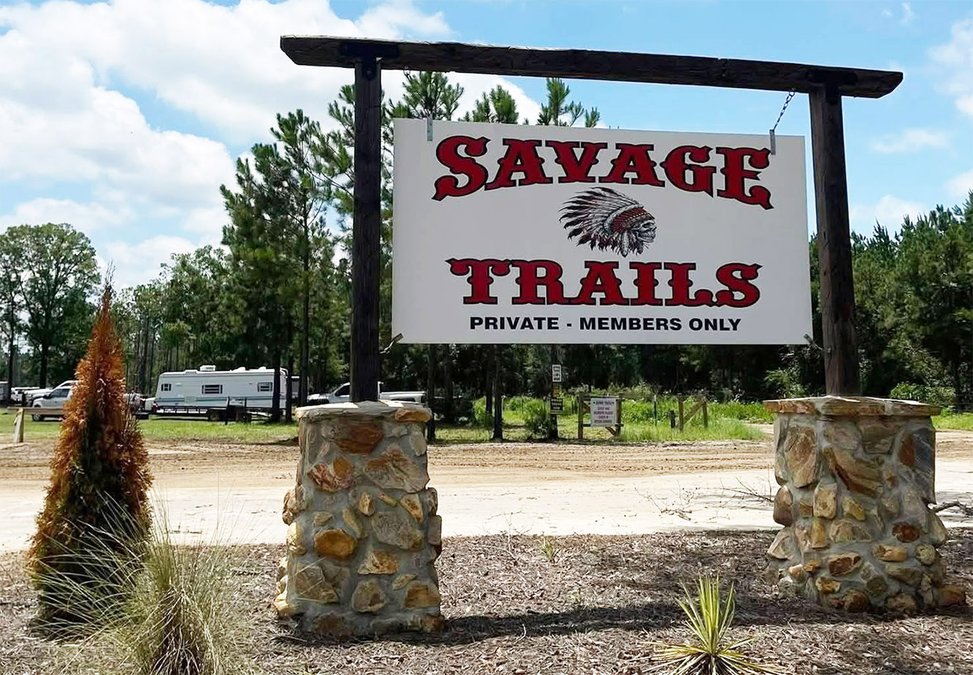
But this was also after the county’s code enforcement officers, in coordination with the Georgia Environmental Protection Division, or EPD, served a “cease and desist” order to Savage Trails LLC, the morning of Aug. 29. This enforcement action effectively shut down Savage Trails RV Park and its ATV trails, in the Luke Swamp area in the southeastern part of the county, just as riders were starting to arrive for a planned Labor Day weekend event.
So, supporters of Savage Trails came as a group to the Oct. 7 commissioners meeting to plead that the “mud park,” which some described as a haven for family fun, should be allowed to reopen.
While acknowledging that Savage Trails had in January 2022 received a conditional use permit to operate a 13.8-acre RV park and campground, county staff asserted that the business had been operating beyond the approved acreage. In fact, Savage Trails’ intro to its Facebook page touted “24/7 access to 430 acres of trails, mud & fun.”
The county on Sept. 16 rescinded the cease-and-desist regarding the 13.8-acre campground, which is zoned general commercial, but left in effect its order closing the rest of the park as what Pope called “an unpermitted outdoor commercial recreation facility.”
Tabled since Oct. 7
During the Oct. 7 meeting, after the county commissioners heard Pope’s quick presentation about the overall text amendment package, asked a few questions and heard from Savage Trails’ board vice president Justin Strickland, they voted 5-0 to table the entire zoning amendment package to this week’s meeting. Some other Savage Trails supporters then spoke to commissioners during general “public comments” time.
Since that meeting, Pope has made a small revision to the part of the amendment having to do with ATV tracks and trails. The revised definition is meant to address a concern, voiced by commissioners Chair David Bennett, that some people thought the previous rule would apply to landowners riding trails on their own land.
The proposed, revised definition now refers to “operating a motorcycle, ATV or similar motorized vehicle for commercial gain over a permanent constructed track or course where the continuous use of the land creates a track, trail, or course,” and states, “Individual landowner activity shall be exempt from this definition.”
This is meant to convey that “if you take money” for operating the track or trails, the regulations apply, Pope said. A previous version used a phrase such as “organized use,” he said, and acknowledged that with that terminology, “interpretation could vary.”
As now proposed, “individual landowner activity is exempt, so if you’re not taking payment you could, I guess, invite all your friends over to have an ATV ride, and we’re not going to say anything about that,” Pope said.
New trail rules
If enacted by the commissioners, the new rules for any future “go cart, ATV, motorbike track and trails” would limit such commercial uses to tracts of more than 100 acres, require a plan to keep all the dust raised on the property, limit hours of operation, limit ATV and motorcycle noise levels to 120 decibels and require spark arresters. “All stream crossing shall be by way of a drainage structure (No fording of creeks),” states one specific rule.
Additionally, the entire property would have to be fenced, all trails kept at least 50 feet away from property lines, and “quiet zones” limiting music and other non-vehicle noise would be required up to 500 feet from residential properties.
The amended ordinance would also “generally” require a U.S. Army Corps of Engineers determination of wetlands and that trails proposed to disturb wetlands comply with county regulations and federal law.
Pre-amendment move
But meanwhile, the Savage Trails LLC’s owner or operators have already applied for conditional use permission for the remaining property under the existing ordinance.
“They have applied for a conditional use, which at the time they filed, obviously, the text amendment is not in place,” Pope said.
Specifically, this is being done under the old, still current definition of “recreation facility, outdoor commercial.” Since this provision is specifically for “unenclosed recreation facilities,” it would not require a fenced enclosure or many of the other proposed new rules.
Savage Trails’ request is slated to go before the appointed Planning and Zoning Board during its December meeting. A recommendation from there would probably go to the elected Board of Commissioners in January, Pope said.
So, although he said a hearing was planned on the overall zoning amendment package Tuesday, the amendment appeared unlikely to have much relevance to Savage Trails’ future.
Additionally, local officials don’t know at this point whether the park could fully reopen if the county grants a conditional use permit, since state and federal permitting may be involved.
In a Sept. 26 formal notice to the Savage Trails property owner, the state EPD alleged that the ATV park was in violation of the Georgia Safe Drinking Water Rules Act of 1977 and related rules regarding the number of water system connections and required permitting and of the Georgia Water Quality Control Act in relation to the septic system. The EPD also stated that potential wetland impacts were being referred to the U.S. Army Corps of Engineers and the federal EPA.
Breweries and churches
A separate set of proposed rules within the larger text amendment defines the terms “microbrewery,” “brew pub,” “large brewery,” and “tap room” so that the county can regulate where establishments that make and serve their own beer or other fermented grain beverages can be located. A reference to mead production has now been added, since a local entrepreneur previously obtained permission for a “meadery” making honey-based fermented beverages.
Proposed rules for zoning of churches and other places of worship include a provision that a “parsonage, pastorium or parish house” is an acceptable accessory use for church grounds. Houses of worship are allowed only on “arterial or collector roads,” not on the smallest types of streets. But apparently, with large enough lots and required setbacks, they can be placed in all types of residential, commercial and agricultural zones.
Conservation subdivisions
Other proposed new rules would allow for “conservation subdivisions,” planned for housing with smaller-size lots to be allowed on public water systems, provided that “open space is a central organizing element” of the plan. The overall plan would accommodate no more homes than in a standard less-dense subdivision in the same zoning category, with the open space to be set aside in a conservation easement and protected from further development.