Question: Can I collect the water dripping out of my air conditioner to water my plants?
Answer: Yes, that will be a good way of recycling the water and giving your plants a free drink on hot days. One caveat: Don't let the bucket or container become a breeding ground for mosquitoes. Empty it daily or every other day.
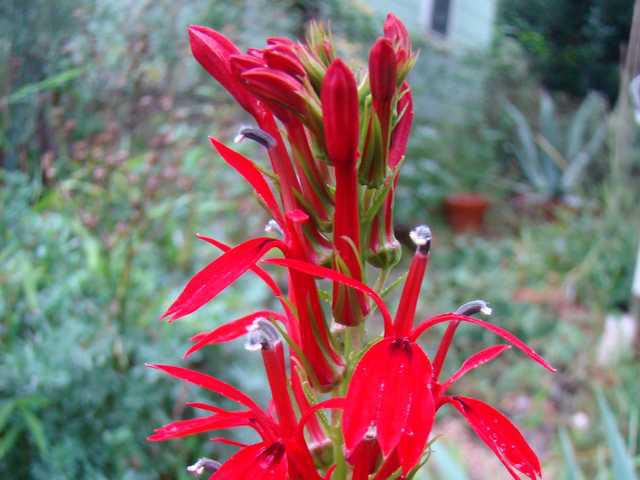
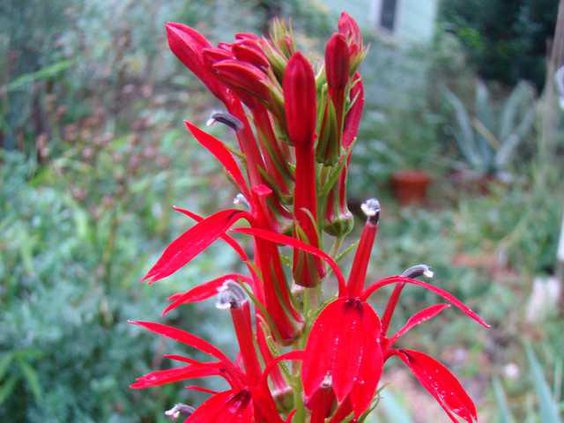
Another option to make most of this water is to plant moisture-loving flowers and plants at or near the drip zone. A few possibilities include canna, swamp hibiscus, cardinal flower, jewelweed, turtlehead, joe-pye weed, ostrich fern, royal fern, cinnamon fern, Japanese iris, Louisiana iris, copper iris and swamp milkweed.
Q: Who determines when something is considered a weed?
A: You do. A weed is a plant growing where you don't want it. When a plant interferes with human endeavors (usually agricultural or horticultural endeavors), it is classified as a weed. An oak tree growing in the middle of your yard may be welcomed for its shade and beauty. An oak tree sprouting in a crack in the sidewalk is a weed because it will damage the sidewalk and eventually hinder or block pedestrians. A tomato plant in your vegetable garden is welcomed for the juicy tomatoes it produces. A tomato plant in the middle of a cotton field is a weed because it interferes with the growing and harvesting of the cotton.
What most people classify as weeds, however, are not the stray oak or tomato plant that sprouted in the wrong place. The plants we usually think of as weeds are those which sprout, thrive and spread in lots of places where lots of people don't want them. Besides the ability to reproduce readily and grow in lots of settings, the plants that qualify as the worst weedy offenders are also tenacious and difficult to eradicate.
Q: We're expecting more children than ever at our church's vacation Bible school program. I'm looking for information on food safety and preventing food poisoning in kids. Does the Georgia Department of Agriculture offer any simple tips or information that our kitchen volunteers can review?
A: The GDA and University of Georgia Cooperative Extension have developed a simple, straightforward training webinar that is available online for free and covers the topic of "Preventing Foodborne Illness in Young Children: Safe Handling of Foods in Childcare Settings." In the webinar, you'll learn how foodborne illnesses can affect young children and the serious complications that can occur when children get sick from foods they eat. You'll find out what simple steps can be taken to prevent these illnesses from occurring, with interactive questions and scenarios to think about. This information is relevant for anyone working in a food service setting and can be scheduled as a live training for continuing education credits. If you would like to schedule a live webinar or in-person training sometime in the future, contact our Food Safety Division Outreach Coordinator at Jessica.Badour@agr.georgia.gov.
If you have questions about services or products regulated by the Georgia Department of Agriculture, write Arty Schronce (arty.schronce@agr.georgia.gov) or visit the department's website at www.agr.georgia.gov.
Consumer Qs: Recycling the water from air conditioners