A proposed land sale between the Development Authority of Bulloch County and a Hyundai Motor Group supplier could bring a unique housing development to Bulloch County.
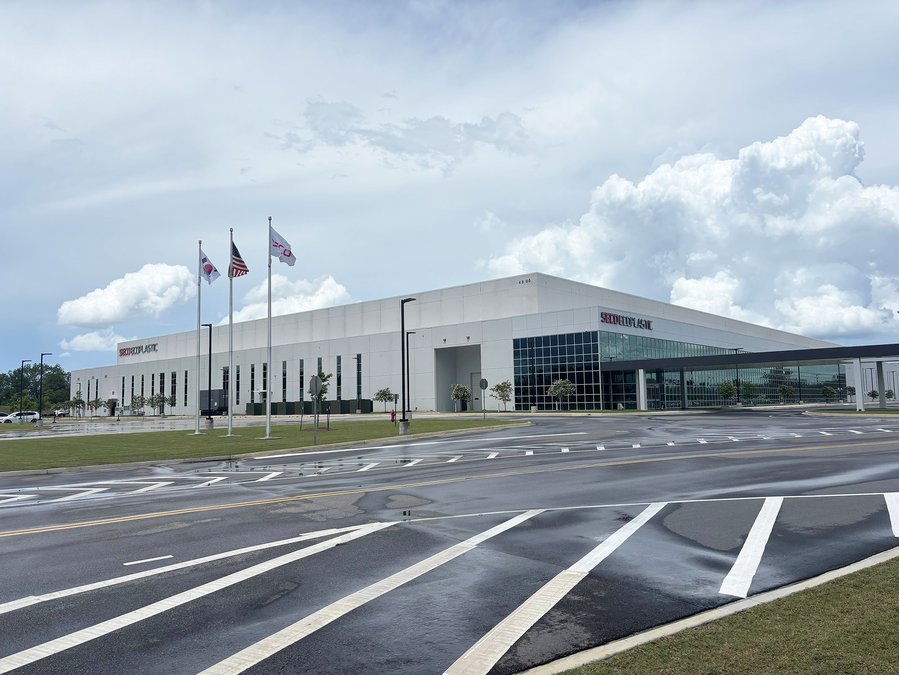
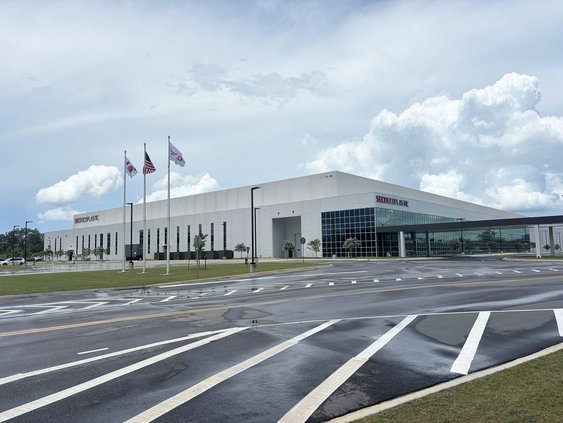
The Ecoplastic America Corporation, an automotive supplier, is looking to purchase roughly 7.3 acres of Development Authority-owned property located across U.S. Highway 301 South from the company’s Bulloch County manufacturing facility. During the Authority's June 9 meeting, board members reviewed a draft sale agreement, but a vote to approve the agreement was tabled after questions were raised about potential residential development at the site, which is about a mile and a half north of the Interstate 16 exit onto 301.
Benjy Thompson, Development Authority CEO, said earlier conversations with Ecoplastic, which manufacture injection-molded plastic automotive body parts for Hyundai Motor Group vehicles, focused primarily on commercial uses. But, more recently, company representatives indicated they also may be considering housing-related uses.
“They're a little concerned about the zoning of the property,” Thompson said. “The primary … reason for Ecoplastic to purchase this property was for commercial activity like a restaurant. They later suggested to us that they're thinking about activities beyond just a restaurant. They're thinking about the possibilities of sleeping quarters.”
The company has also expressed interest in assigning ownership of the property to an affiliated entity that could pursue those projects.
Those requests raised concerns among Authority board members, who said they need a clearer understanding of exactly what the company intends to build.
"Dorm room is a lot different than a restaurant," Tal Johnson, a board member, said. "They obviously have a need to house workers, and I know … they’ve drawn in local workers … but they also have workers coming in from their home country."
Johnson said it would be helpful if Ecoplastic, provided the Authority with data on how many workers are in need of housing and what kind of housing.
Board members also questioned whether the proposed housing concept would resemble traditional apartments, company-sponsored workforce housing or a more transient arrangement.
"What you don't want is a crash pad where people just come and go," Timmy Rushing, a board member, said during the discussion.
The Statesboro Herald reached out to Ecoplastic about the land sale and housing needs but did not receive a response in time for publication.
Unexpected request
Thompson said the housing component was unexpected for this property but not surprising. Since Hyundai Motor Group announced the Ellabell Metaplant and suppliers began locating throughout the region, housing is often brought up, he said.
Thompson said all together, Hyundai suppliers in Bulloch County, including Ecoplastic, Ajin Georgia and Hanon Systems have committed to creating about 1,200 job positions, many of which will be filled by people who already live locally.
However, he said Hyundai suppliers have asked local officials about housing options for Korean employees who temporarily relocate to the United States to help establish and operate facilities.
The Authority's role in housing issues is generally limited, Thompson said, although it has previously partnered on workforce housing initiatives, including support for the Cornerstone Pointe workforce housing development on Highway 67 through a rural workforce housing grant program.
Ultimately, Thompson said the Authority's responsibility is to ensure any project benefits both employers and the broader community. He said commercial development is lacking and could be beneficial near the site, especially with its proximity to Interstate 16
"We always want the highest and best use for any property we’re involved with," he said.
Currently, Thompson said the site is zoned for highway commercial. If the Development Authority approved the land purchase, Ecoplastic would have to request the land be rezoned if their plans don’t align with current zoning ordinances.
The property under consideration was originally purchased by the development authority as part of a long-term industrial recruitment strategy. Thompson said the parcel is not located within an industrial park and hasn’t received site preparation from the authority.
"We haven't developed it. We haven’t moved dirt. We haven't really done much of anything to it other than buy it and hold it for now," he said.
Although SECO Ecoplastic had hoped to close on the property by the end of June, Thompson said the Authority can take more time.
"This conversation suggests that we don't need to rush toward the finish line," Thompson said. "If it doesn't look like we've had enough time for due diligence, then we're just not going to do it by the end of June."
Sale agreement
The sale agreement includes a provision for a repurchase option.
"For most of the times where we sell land to a business … particularly when there aren't incentives involved in the deal, we include a repurchase option," Thompson said. "We don't want purchasers of property that the development authority controls to buy that land, speculate, just sit on it and try to flip it a couple years down the road."
Under the proposal, the company would be required to begin construction within 24 months. If construction does not start within that period, the Development Authority would have the option to repurchase the property at the original sale price – between $400,000 and 500,000 – during a six-month window.
The agreement also references restrictive covenants that would govern how the property could be used. Thompson said the Authority has not finalized those restrictions but would likely apply requirements similar to those used on other development authority-owned industrial properties.
Any final decision on the sale will return to the Development Authority board for approval during a public meeting.
Lucille Lannigan is a growth and development reporter for Morris Multimedia.